
How to Scale Your Business Without Drowning in Chaos
From the outside, they were flying. Inside, they were drowning. Here is the exact blueprint we used to fix it.

It was 2021.
I was freelancing, working with this founder. Great guy. The kind you’d actually want to grab a beer with.
His startup had just raised Series A, so money was in the bank and the team was rapidly growing. They scaled marketing, they scaled sales, and from the outside everything looked fine.
They were doing all the right things:
content output doubled and went out regularly
they ran a webinar series with decent attendance
ads were running across multiple channels with retargeting
landing pages were actually converting.
But here’s the thing.
Over time, growth kept getting harder instead of easier. The team was complaining, with marketing and sales working in silos.
So we looked under the hood.
What we found was a total mess.
CRM data was all over the place with dozens of properties nobody needs that were only half filled in. Dashboards were showing data nobody trusts, and endless workflows were running into the void.
The outside was polished, but the inside was chaos.
And this isn’t rare.
Most scaling companies face this because they hire, they launch, they grow, and they build everything on top of a fragile system. The cracks don’t show until it’s too late, and instead of scaling, you get lost in the mess.
Here is how we fixed it.
Time to Hit Reset
Before you throw tools and money at the problem, before you try performing open-heart surgery, you need to zoom out.
That’s what we did by going back to basics. We forgot about HubSpot and whatever tools they were using and started with mapping out the funnels.
Simple and plain on the whiteboard.
And I mean every funnel: generating leads through webinars? Map it. Leads through ads? Map it. Every path a customer could take, every bottleneck and then we fixed them one by one.
Here’s how.
The Good Old Funnel
You know the typical funnel, right?
Attracting your customer = Top of the Funnel
Convincing your customer = Middle of the Funnel
Convert your customer = Bottom of the Funnel
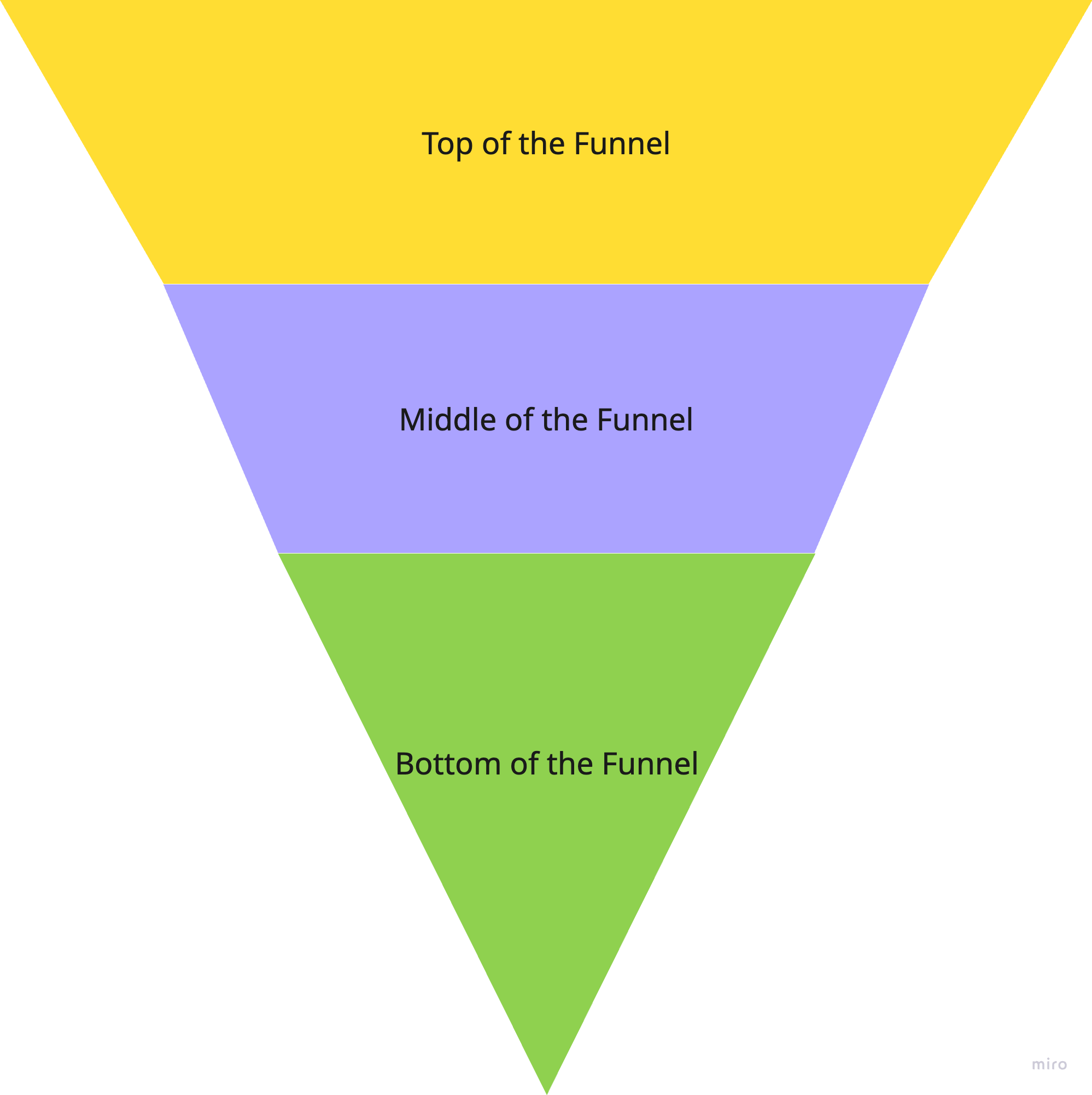
And yes, the funnel sucks because no customer will ever run through a funnel like this. It implies gravity does the work and everyone runs linear through it, but in reality, systems do the work.
Here’s the thing: despite the wrong visualization it helps you get clarity in your system because it’s an easy way to understand what happens at each stage and touchpoint of your customer’s journey.
So let’s map each funnel.
Create Transparency Through Funnel Mapping
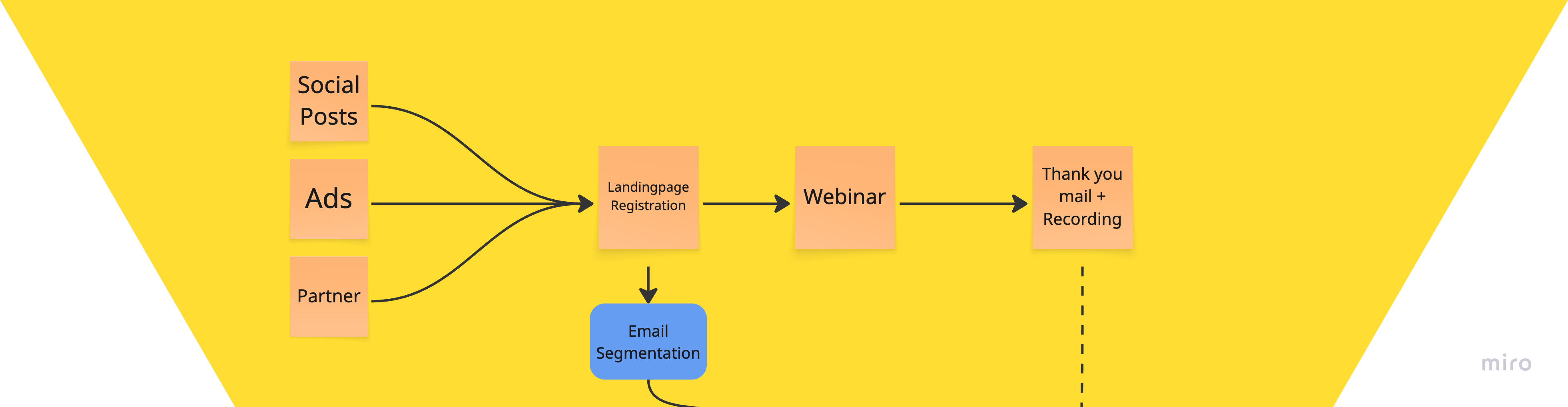
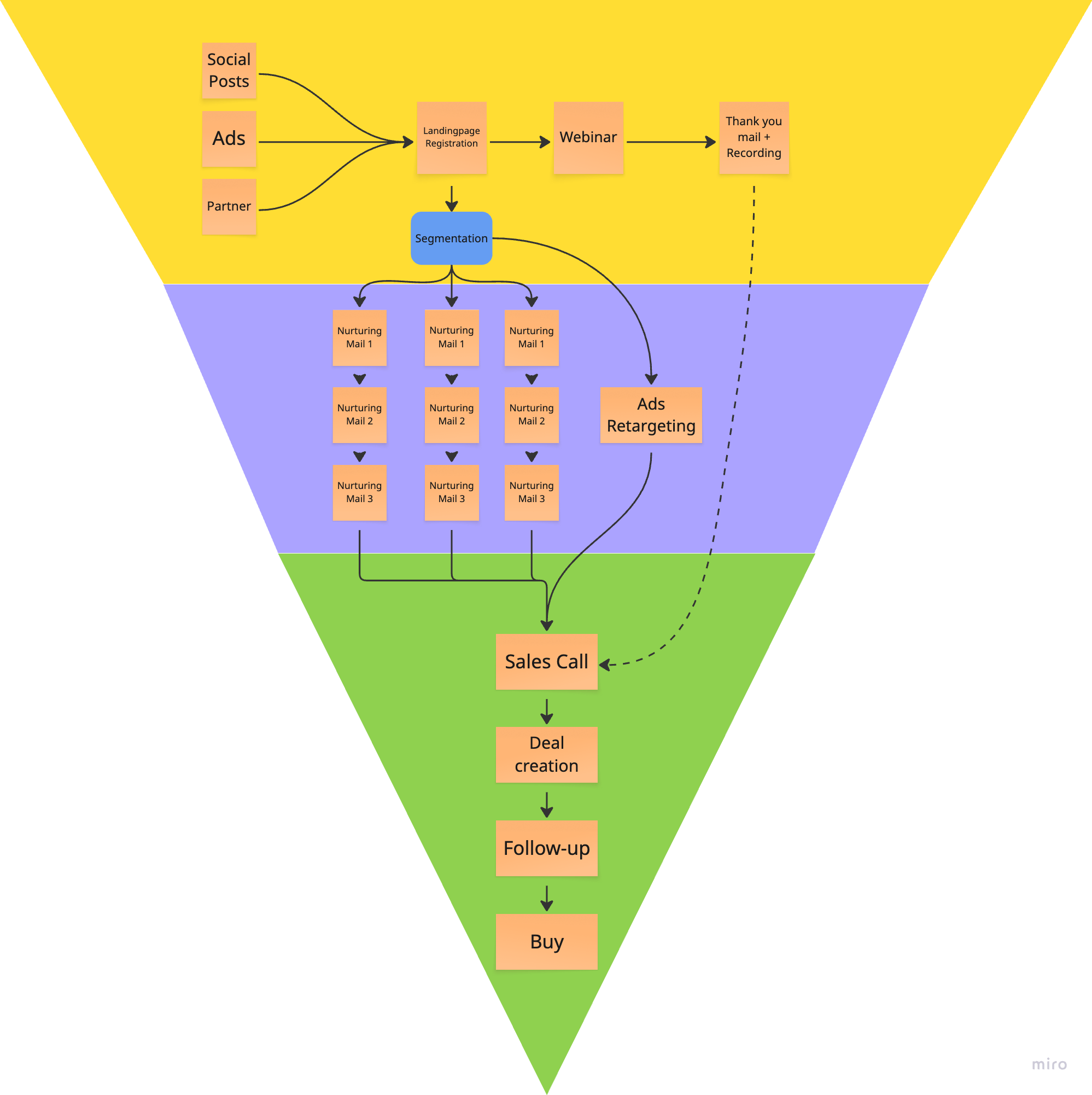
Start at the top with the awareness stage, which is the entry point.
So, let’s stick to the webinar funnel example where we map out everything that happens here and draw the paths a lead takes until conversion.
We have a landing page and create traffic through social posts, ads, and partner promotion. Leads land on the landing page and register for the webinar, which is the point where someone enters our system and gets segmented.
After the webinar, we send one follow-up email.
Now we move to the next stage, the middle of the funnel where we convince lead to become a customer.
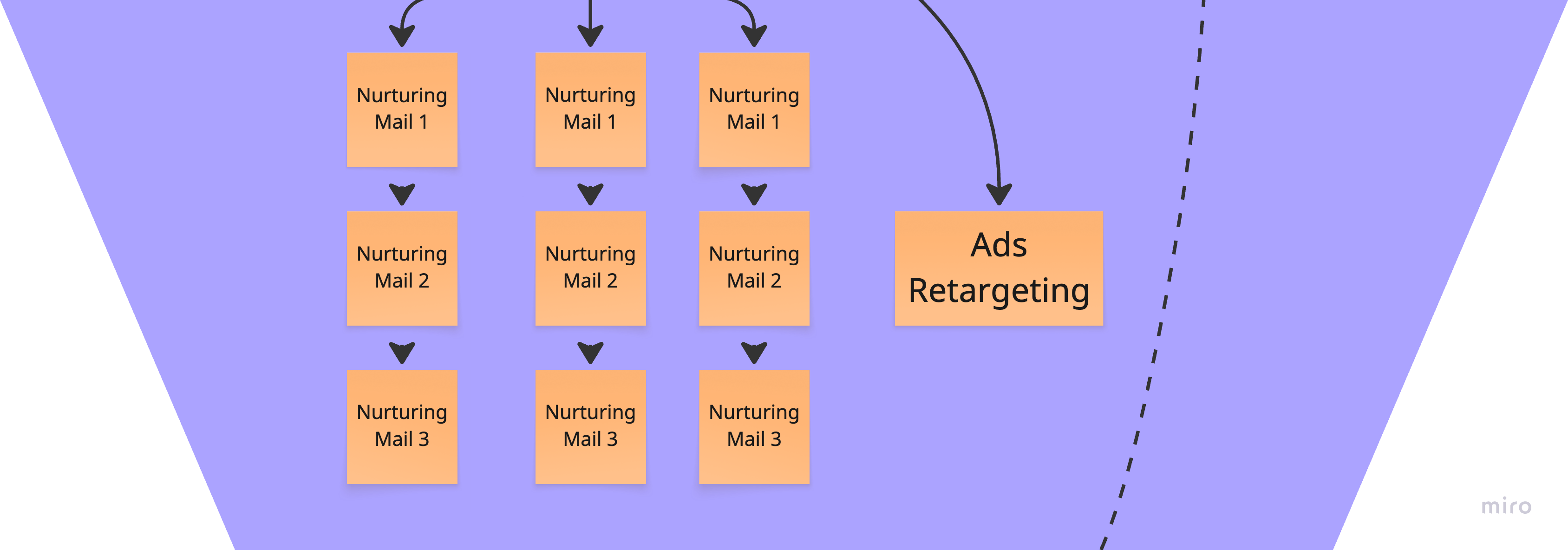
Here we list everything that happens to help us convert leads to sales calls.
In this case, we had different nurturing emails based on the segmentation from the landing page registration, and we had ad retargeting campaigns also based on that segmentation.
Now moving to the last part where everything ends in a sales call.
From there, you map out what happens: deals are created, follow-ups happen, and deals close.
It’s simplified here, but you should also map out deal stages and nurturing in between.
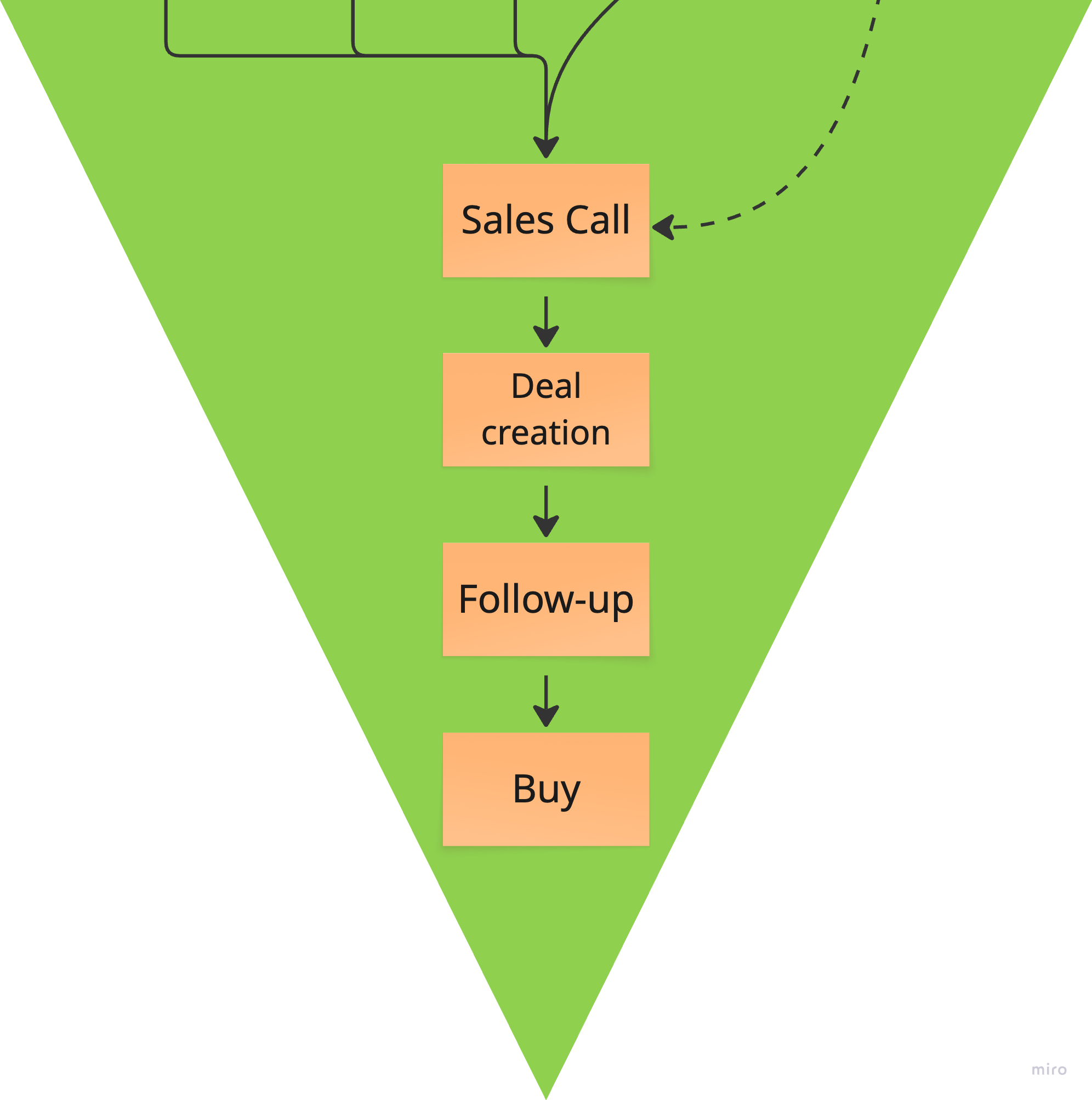
So now we have a transparent overview showing stages, activities, and the path a lead takes to convert, all along a simple funnel diagram.
Add Properties That Actually Matter
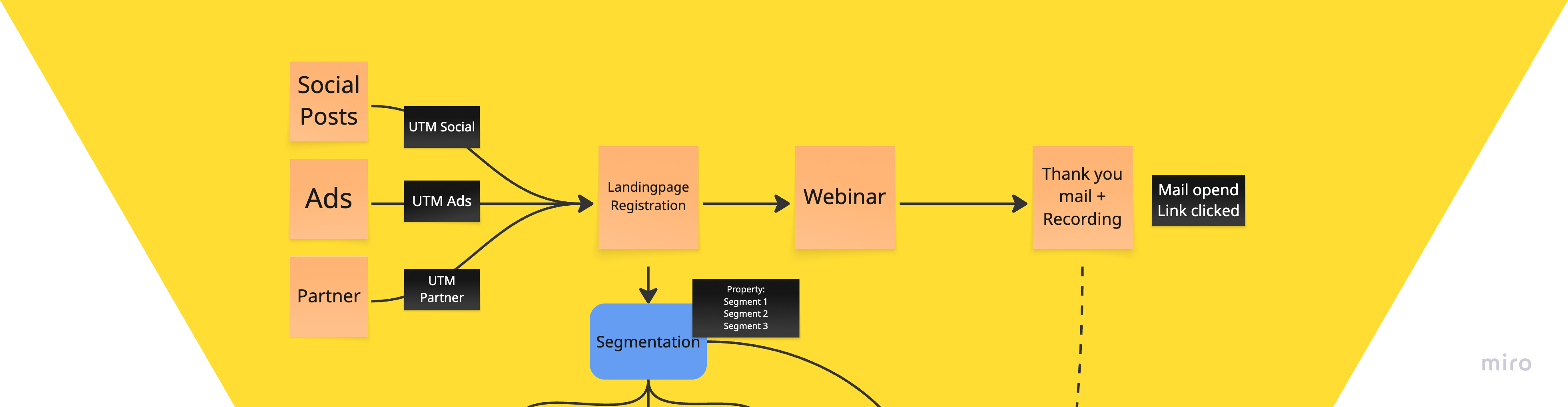
Now we go alongside the funnel stages and add properties we need in our CRM (or that should being tracked automatically) to each activity.
In the upper part you have for example the UTM parameters that answer where leads are coming from, then you have the property that’s added based on segmentation, and then you track if someone opens the email, clicks the link, or ignores it.
Luckily, some of this is tracked automatically in most CRMs.
Now we map out properties to the rest of the activities in the lower part of the funnel and the diagram looks something like this at the end.
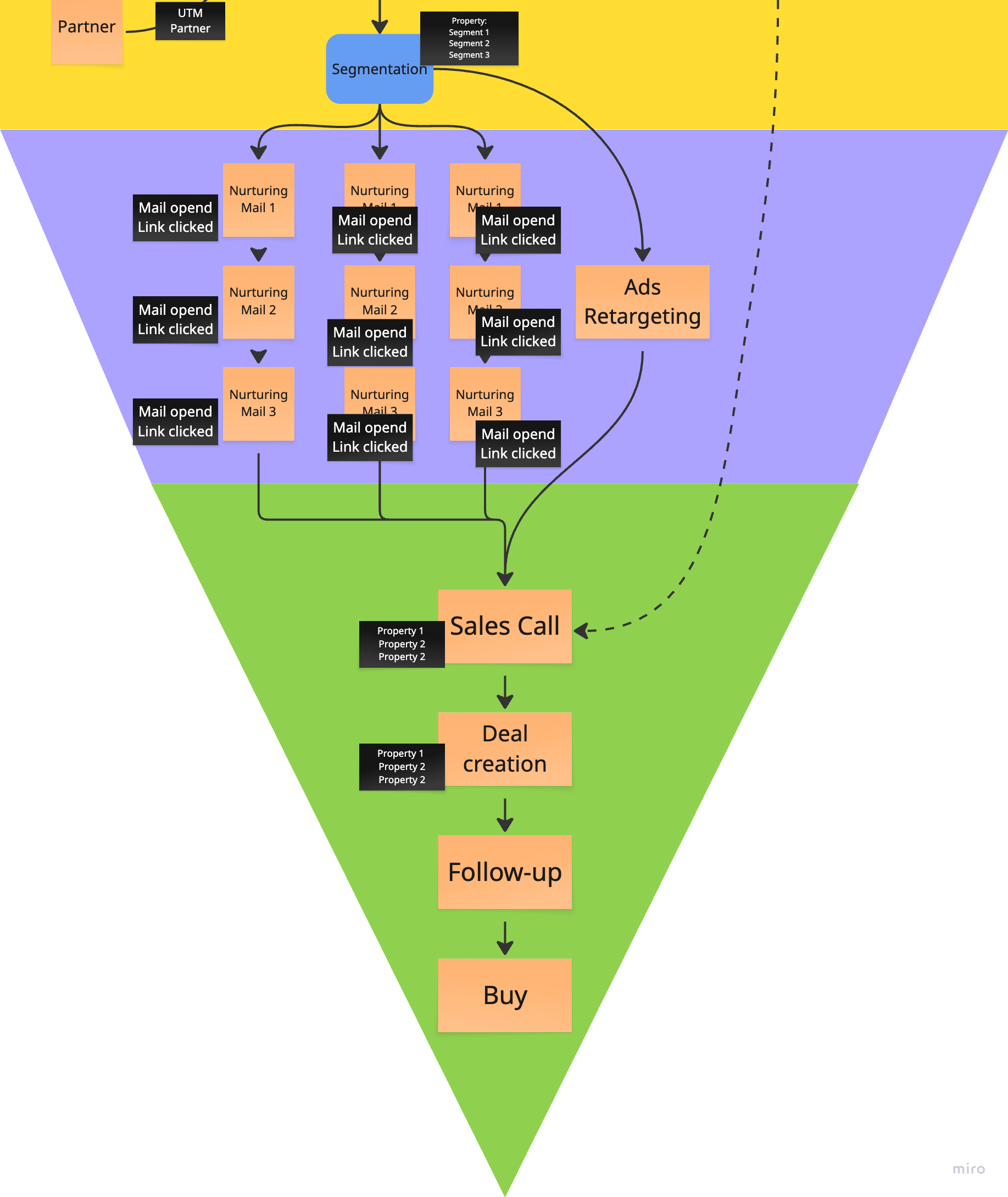
Once you do this, you have a clear picture of:
What path a lead takes
What you should track
And what’s missing
To that last point:
Luckily this was a clear funnel we could paint, but sometimes things like retargeting or nurturing flows are completely missing.
Here the overview helps. Thanks to that you can easily think through and see what’s missing. And this is what you should do with every funnel and activity you’re doing to generate leads.
Yes, every funnel, because you want transparency, you want to know what works and what doesn’t, and you want to track the right things to scale with transparency, not blindness.
After doing this we ended up deleting 50% of the existing properties. Why? Because if you don’t use the data to make a decision, it’s a distraction.
Final Words
Look, most companies don’t need more leads. They need better systems.
You can double your ad spend, hire more marketers, and pump out more content, but if your funnel leaks at every stage because of broken processes, growth will always feel harder than it should.
The fix isn’t complicated: map every funnel, add properties that matter, build clean workflows & automations, and delete the rest. That’s how you create clarity from chaos and build a structure your team can actually scale with.
No more guessing. No more broken dashboards. No more workflows running to nowhere.
Just clean systems that scale.
Sometimes it takes a reset to move forward.
PS: If you enjoyed this, please tap the like button below. Thank you! 💛
This resonates deeply - so much scaling chaos stems from internal systems not keeping pace with external growth. The same "polished outside, messy inside" dynamic often applies to a startup's financial operations: trade credit, collections, and payment workflows become fragmented as revenue grows. TCLM focuses on building the financial clarity and systems that protect working capital during those scaling phases. Might be a useful parallel.
(It’s free)- https://tradecredit.substack.com/
Solid breakdown on how visual mapping forces real prioritization. The part about deleting 50% of CRM properties becuase they weren't driving decisions is somthing most teams avoid facing. When systems grow organically, everything feels important until someone actually diagrams the flow and realizes half the tracking is theater.